


A used machining center can show up with an empty tool changer. To make parts you need holders in the right taper, pull studs that match the drawbar, collets, a face mill holder, a boring head and tapping holders. Build the list around the first jobs you plan to run, then fill in from there.
Start With the Spindle
Before you buy a single holder, pin down four things from the machine manual: the spindle taper, the pull stud spec, the tool changer limits on tool weight, length and diameter, and the number of pockets. Our used vertical machining centers include a Samsung MCV 50 with a FANUC 0i control. Check the listing for its details. The rest of our used CNC machines are worth checking the same way.
Taper decides everything else. A CAT 40 machine needs CAT 40 holders, a CAT 50 machine needs CAT 50, and an HSK spindle needs HSK in the right size. BT holders look close to CAT but do not swap. If the machine runs BT, look at our BT50 tool holder.
Pull Studs
Every CAT and BT holder needs a pull stud, and the stud has to match what the drawbar was built for. Machine builders use different styles, so go by the manual, not by what fits the thread. Torque them to spec. A pull stud is a small part, but it is what the drawbar holds onto to keep the tool in the spindle.
The Core Package
For most shops, a first package covers milling, drilling, tapping, facing and boring. Here is what to plan for, with what we carry in each group.
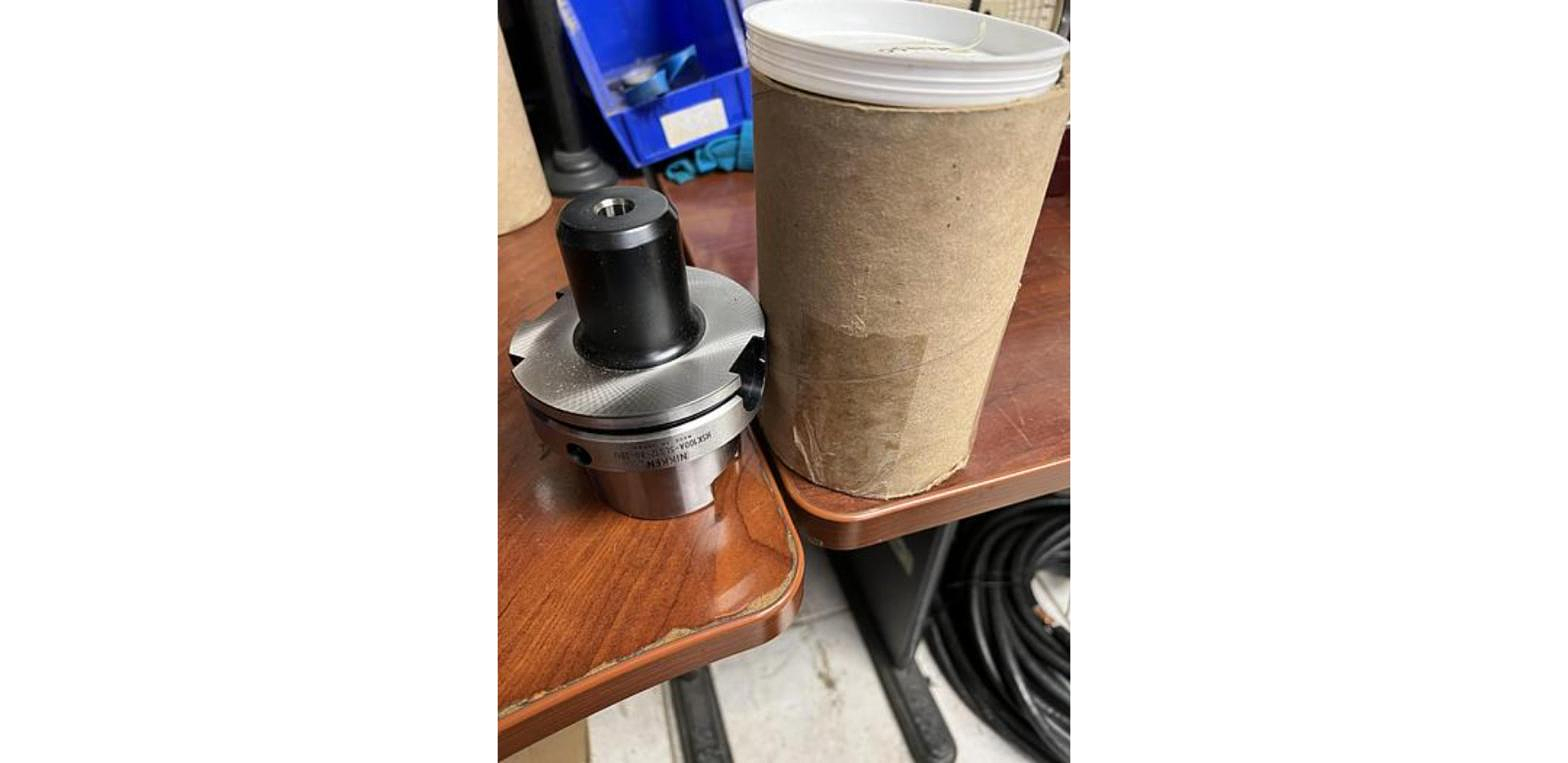
- End mill holders. Solid set screw holders in the sizes you cut with most. We have CAT 40 3/4 inch end mill holders, CAT 40 1/2 inch end mill holders, CAT 40 1-1/4 inch end mill holders and HSK100A end mill holders from Nikken.
- Collet chucks. One collet chuck covers a range of drill and cutter shanks. See our HSK collet chucks from Showa and Nikken, CAT 50 collet holders from Valenite, and a TG100 collet holder. Buy a full collet set to go with them.
- Hydraulic holders. For finishing and reaming, a Sandvik hydraulic tool holder or the Sandvik Hydrogrip clamps the shank evenly.
- Face mill holder. At least one for squaring and facing stock. We have face mill holders from Parlec and Sandvik.
- Boring. A fine adjust head for sized holes. We carry TSD Microbore boring heads and Valenite CAT 50 boring bars.
- Tapping. A tapping head or a tapping collet chuck from Sandvik or Balas, depending on whether your machine does rigid tapping.
- Drilling. An indexable drill like our Walter unit saves time on larger holes.
- Reach. modular tool holders from Mapal and Komet and a Sandvik Varilock extension let you build length when a part needs it.
50 Taper and HSK Machines
Bigger machines need bigger holders. For a 50 taper spindle, our CAT 50 tool holders include Lyndex and Sandvik pieces, plus a Parlec C50 holder. For HSK, we have a Hertel HSK 63 holder and an Xactform HSK100.
How Many Holders
A good start is one holder for every tool in your most common job, plus spares so the next job can be set up while the machine runs. Holders sitting in a cart cost far less than a spindle waiting on a setup. Fill the rest of the tool changer as new work comes in.
Checking Used Holders
Used holders are a good way to build a crib, but look each one over. Wipe the taper and check it for fretting, rust and dings. Check the flange and drive slots for chips from a bad tool change. Once a holder is in your spindle, put an indicator on it and check runout. Throw out collets that are bell mouthed or scored. A holder with a damaged taper can mark your spindle, and a spindle repair costs far more than the holder.
Beyond the Holders
- Coolant. Through spindle coolant needs holders and pull studs made for it. A high pressure coolant system such as our ChipBlaster J30 supplies the pressure.
- Indexing. A rotary table like our Pratt and Whitney 30 inch vertical rotary table lets you index a part and work more than one side.
- Cutter care. A tool and cutter grinder keeps end mills and drills sharp in house.
- Loading. If you plan to run lights out, read our post on machine tending robots.
Buying a machine and a tooling package together? Ask about machine tool financing. All of our tool holders for sale ship FOB Imlay City, Michigan, and the buyer arranges freight.
Related Guides
- CAT 40 vs CAT 50 vs HSK tool holders
- Boring heads and boring bars explained
- Used vertical machining center checklist
Selling Tooling or Machines?
When a shop closes or replaces machines, the tooling usually goes too. We buy both. Use our sell your machine tools page, or look at our equipment appraisal services.
To put a package together for a specific machine, call 586-752-0090, extension 1 for sales, or get in touch with sales.